Home / Treatments

Treatments

Our treatments

Each treatment plan is tailored after a full consultation. Many patients receive a combination of approaches.

Acupuncture needles in the back

Acupuncture

Acupuncture involves inserting very fine, sterile, single-use needles at specific points on the skin. In TCM theory these points lie along pathways called meridians, through which Qi (vital energy) flows, linking the internal organs.

Imbalance or obstruction in this flow is considered to underlie ill health, and acupuncture aims to restore its normal movement. The practice is thought to have originated in China several thousand years ago, and has also developed in Japan, Korea and Tibet.

Glass cups applied to the back during cupping

Chinese cupping

Cupping uses glass cups, warmed briefly to create a vacuum, which are placed on the skin. The gentle suction lifts the skin and underlying tissue into the cup.

It is traditionally used to encourage circulation, relieve muscular aches and help the body relax.

Dried herbs used in Chinese herbal medicine

Chinese herbal medicine

Chinese herbal medicine combines natural ingredients, mainly from plants, into a formula designed to correct patterns of disharmony. A core set of herbs addresses the main complaint, with others added to suit your individual constitution.

Formulas are reviewed and adjusted as your condition changes. Please tell us about any medication you are taking so that we can take it into account.

Taegyun Kim performing a kinesiology muscle test on a patient's leg

Applied kinesiology

Applied kinesiology is based on the idea that the body is constantly expressing on the outside what is happening on the inside. By learning to read these signals, the practitioner can gain insight into areas of imbalance that might otherwise go unnoticed.

Its main tool is manual muscle testing, the method of assessing muscle function first described by Kendall and Kendall. Once a muscle weakness has been identified, a range of therapeutic options can be considered.

Kinesiology works with the body’s own capacity to heal, which tends to follow a recognisable pattern — from the head down, from the inside out, and in the reverse order to which symptoms first appeared. The kinesiologist aims to support and facilitate this natural process.

Illustration of bowls of rice, vegetables, ginger, goji berries and tea

Constitutional food therapy

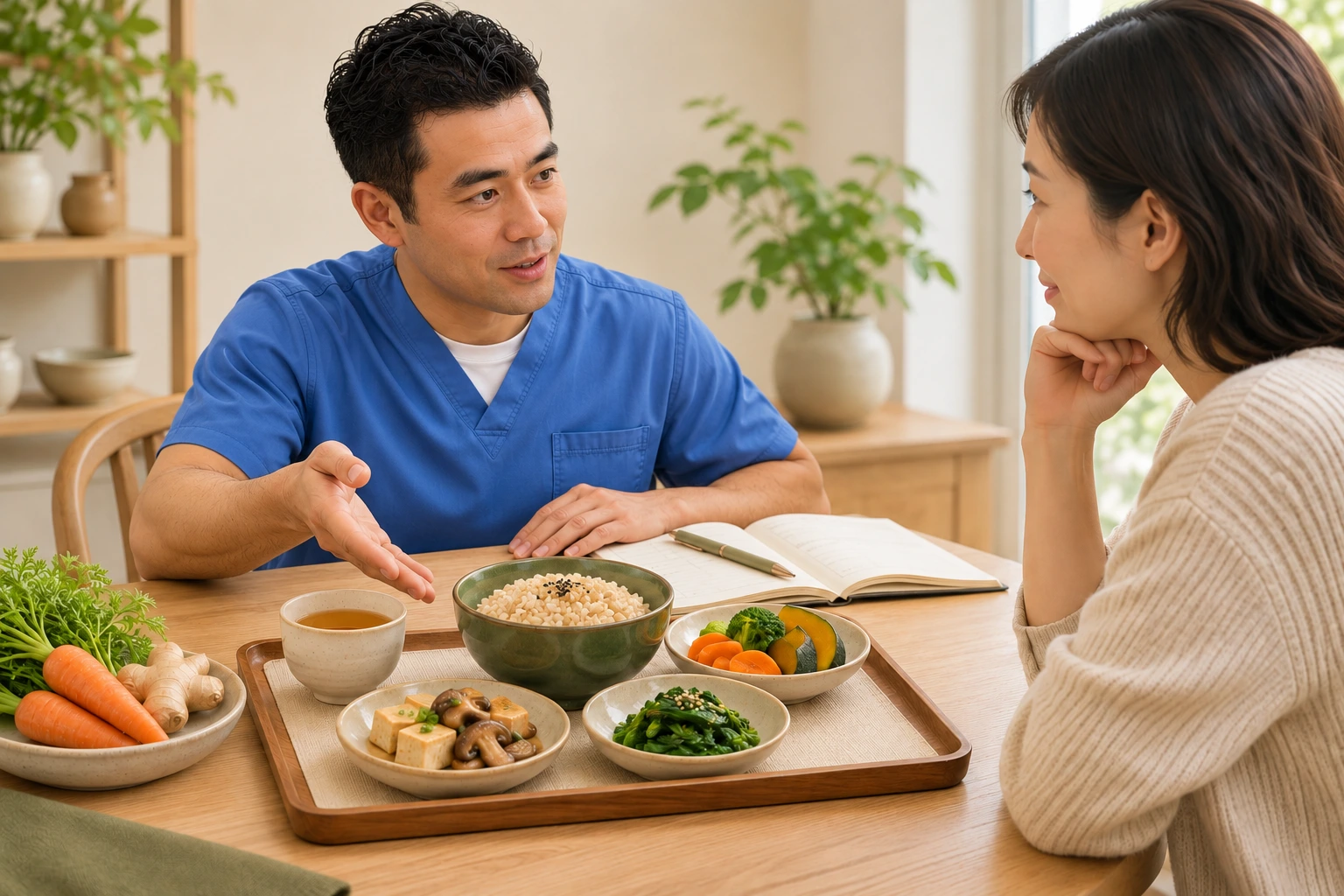
In Chinese, Korean and other East Asian traditions, food has long been regarded as a form of medicine. Foods are classified by their observed effects — for example, whether they are warming or cooling — and the right diet helps bring the body back into balance.

Because each person’s constitution is different, a food that suits one person may not suit another. Following your consultation, we recommend foods to favour and foods to limit for your constitution, to help support your treatment.

Illustration of vitamin capsules, softgels, tablets and a supplement bottle

Nutritional medicine

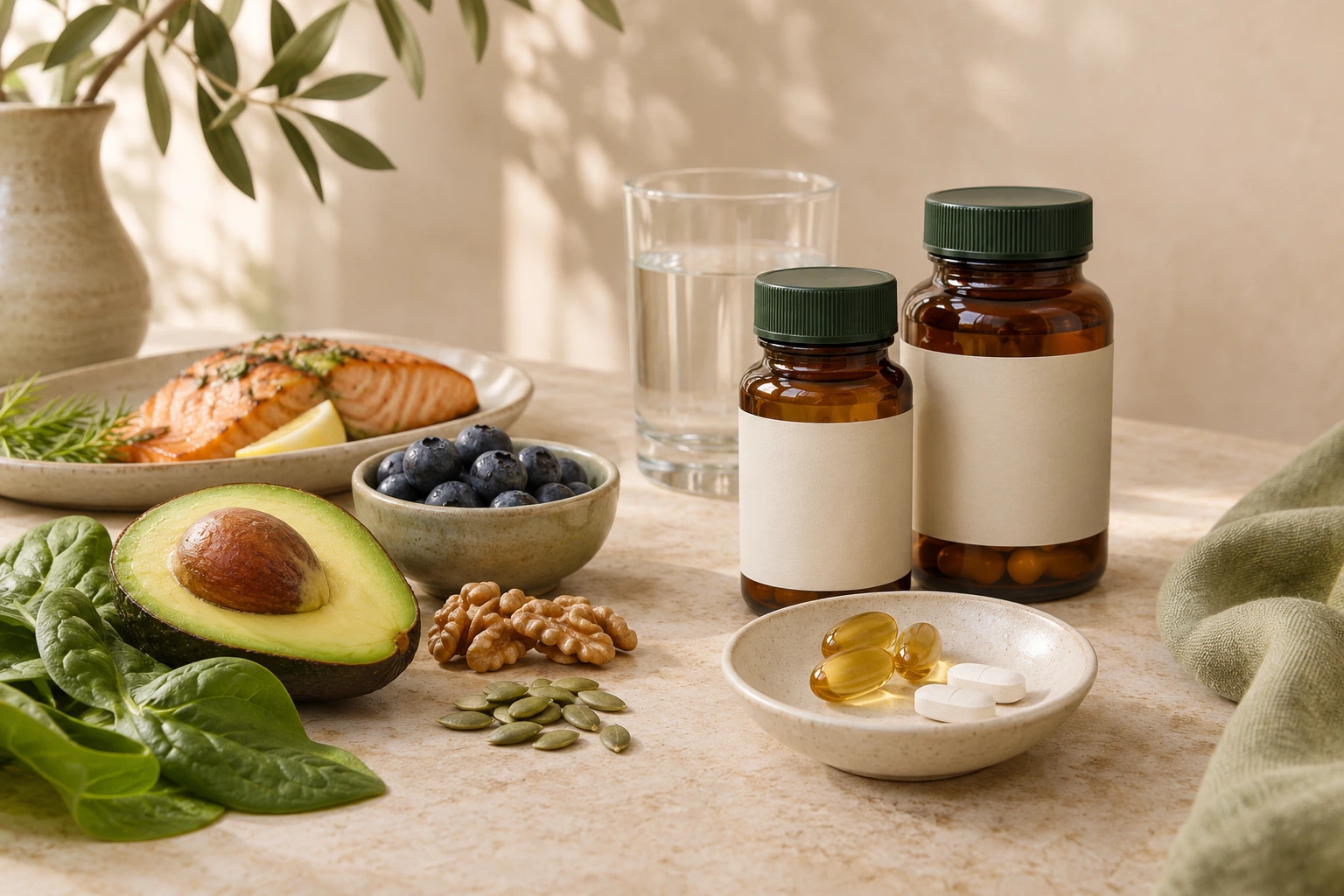
Food provides the energy and nutrients we need to stay well. Stress, a poor diet and some health conditions can leave us short of essential vitamins and minerals.

Nutritional medicine uses vitamin and mineral supplements, such as calcium, magnesium, zinc and iron, as a complement to a balanced diet.

Illustration of small amber dropper bottles with a glass of water and greenery

Bach Flower Remedies

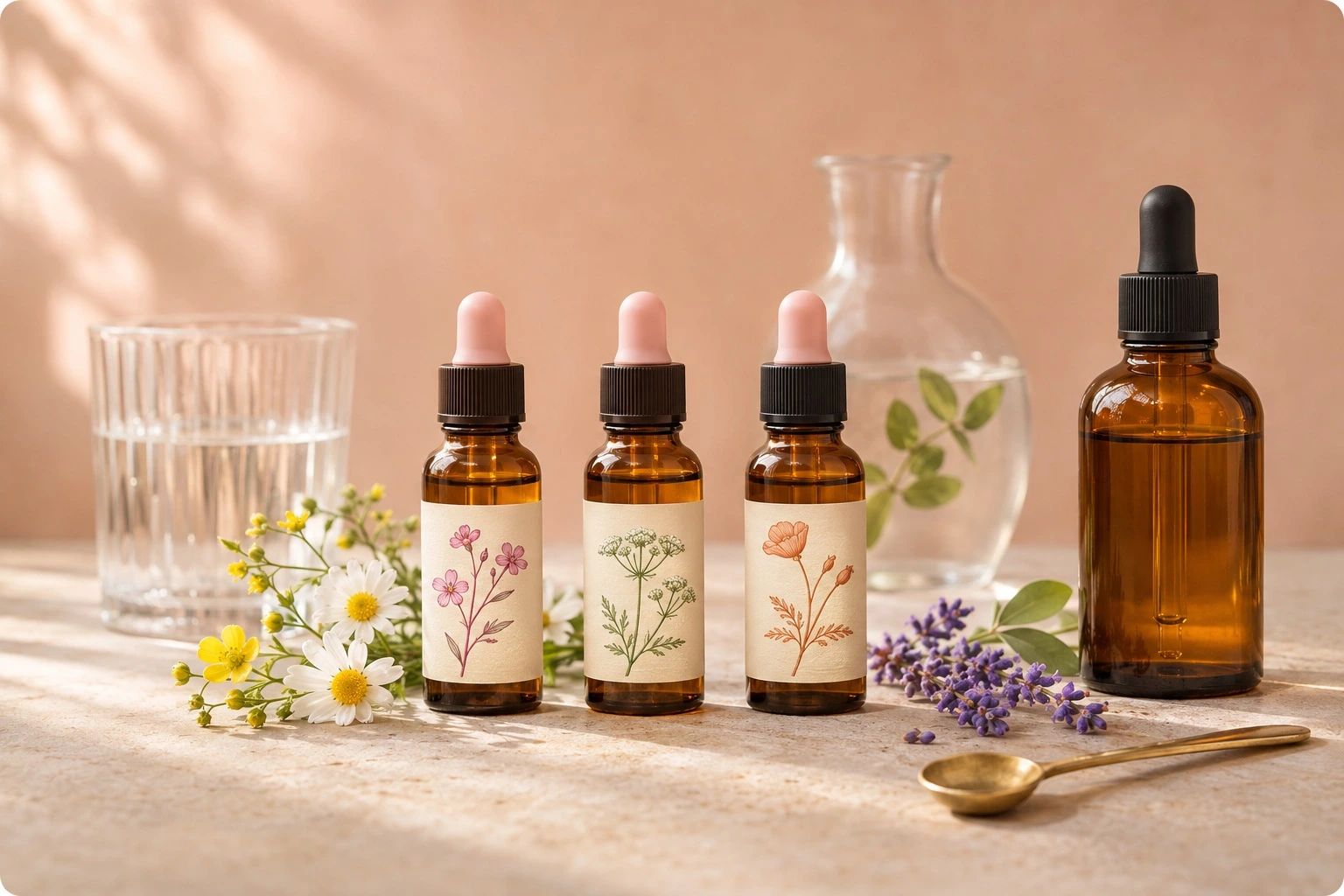
Bach Flower Remedies are a complementary therapy developed in the 1930s by Edward Bach, a British physician. They are made from wild flower and plant extracts, highly diluted and preserved in a mixture of water and brandy.

The system is made up of 38 remedies, each linked to a particular emotional state. Remedies are chosen for how you are feeling rather than for physical symptoms, and several may be combined into a personal blend.

The seven emotional groups

  • Fear
  • Uncertainty
  • Insufficient interest in present circumstances
  • Loneliness
  • Oversensitivity to influences and ideas
  • Despondency or despair
  • Over-care for the welfare of others

Rescue Remedy is a well-known combination of five of the remedies, often used for moments of acute stress.

How they are taken

Remedies are usually taken as a few drops under the tongue or diluted in a glass of water. They are also available as sprays, creams and pills.

Most remedies are preserved in brandy, so please let us know if you need to avoid alcohol. Bach Flower Remedies are intended to support emotional wellbeing and are not a substitute for medical or psychological care.

Illustration of people doing gentle stretching and qigong exercises

Therapeutic exercise

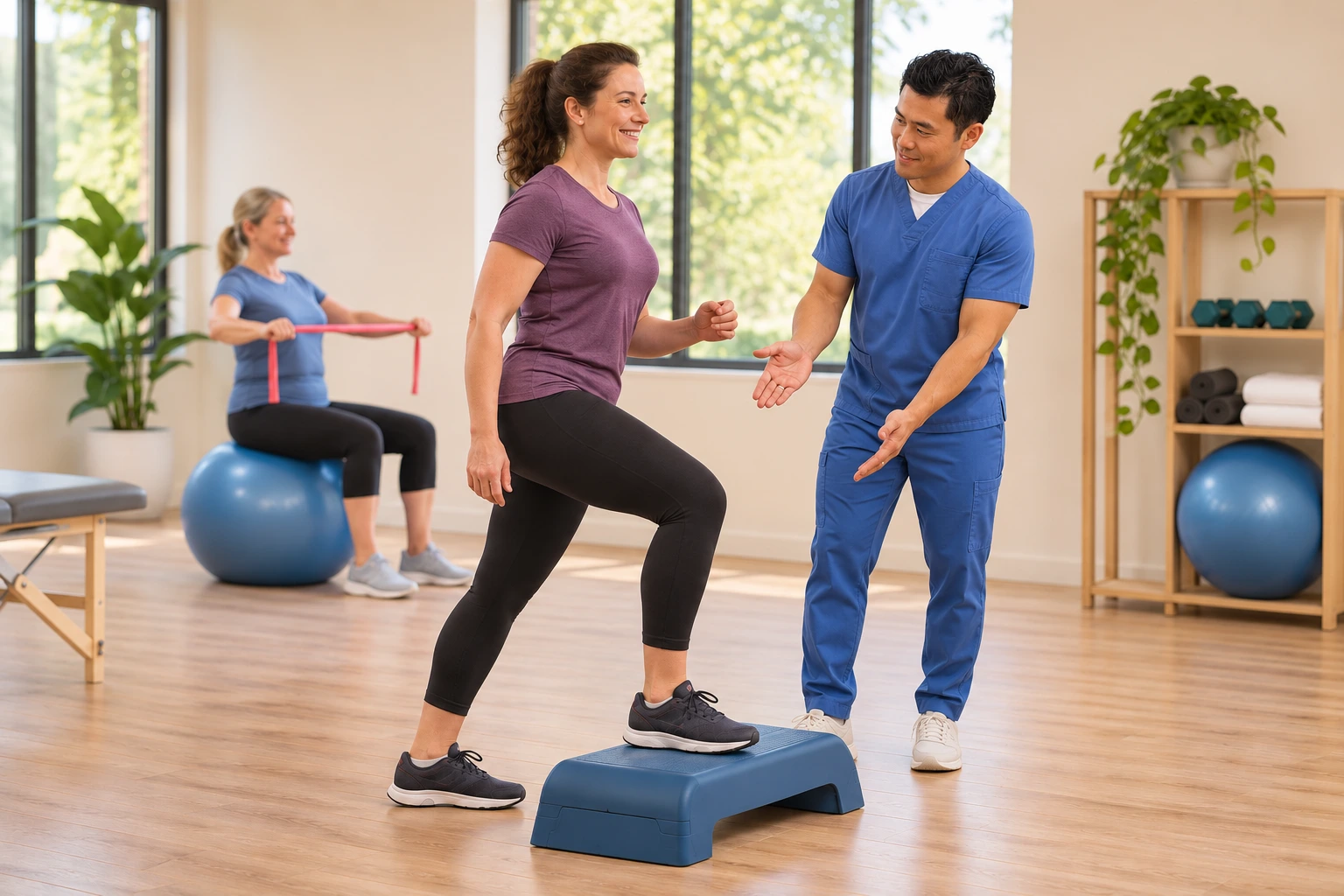
Gentle, regular exercise supports circulation, strengthens the heart and lungs and helps relieve stress. Where appropriate, we may recommend simple exercises to continue at home between sessions.

Illustration of a calm woodland path

Lyme disease support

Lyme disease is a bacterial infection spread by infected ticks. Early diagnosis and antibiotic treatment from your GP are essential. Some people continue to experience symptoms such as tiredness, joint and muscle pain, poor sleep and difficulty concentrating after their treatment.

We offer complementary care for people living with Lyme disease, combining acupuncture, herbal medicine, dietary advice and gentle exercise to support energy, sleep and general wellbeing. Your treatment is planned around your individual needs and works alongside, not instead of, care from your GP or specialist.

If you think you have been bitten by a tick, or notice a spreading red rash, contact your GP or NHS 111 promptly.

Book a consultation

Appointments Monday to Saturday, 9am–7pm. Call us or request a time online and we will confirm by email or phone.